Academic Thinking Skills
AI for Science, Math, English, note-making, revision planning, and project research. 60% of program time devoted to real academic impact.
Live Online Mentorship · Ages 13+
A 6-Day Live Mentorship for Students — Learn to use AI for better academics, sharper thinking, creativity, and digital safety. Without losing independent thought.
A short 15-minute Zoom call. No pressure, just a conversation to find the right fit.
No credit card required · Spots fill fast
Academic thinking, creative growth, and digital safety in one practical live program.
AI for Science, Math, English, note-making, revision planning, and project research. 60% of program time devoted to real academic impact.
Art, storytelling, music, passion projects, career exploration, and curiosity-based learning. 30% focus on growth beyond the classroom.
Deepfake awareness, fake content detection, privacy basics, safe prompting, and misinformation understanding. Essential 10% no student should miss.
Students learn what AI is, how to ask better questions, how to use it for academics and creativity, and how to stay safe around fake content and privacy risks.
Understand AI and apply it to school subjects with the Think First framework.
Ask better questions and build creative, research, and passion projects.
Learn privacy, fake-content checks, and present a practical thinking project.
Morning and evening slots are available. Each cohort is capped at six students.
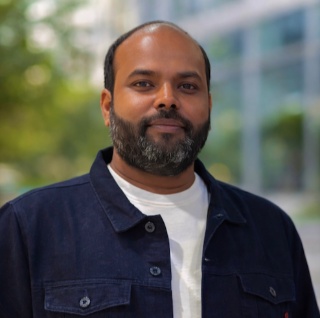
Atul brings real-world technology and AI experience into a small-batch classroom where students learn to think independently before using any tool.
My daughter used to just copy-paste from ChatGPT. After this program, she actually questions what the AI says. Atul Singh's approach is different — he teaches thinking, not shortcuts.
I learned how to use AI for my history project and my science notes. But the best part was learning how to spot fake AI content. Now I check everything before sharing.
The small batch format makes a huge difference. Only 6 kids means Atul actually knows what each child is struggling with. My son was too shy to ask questions before — now he leads discussions.
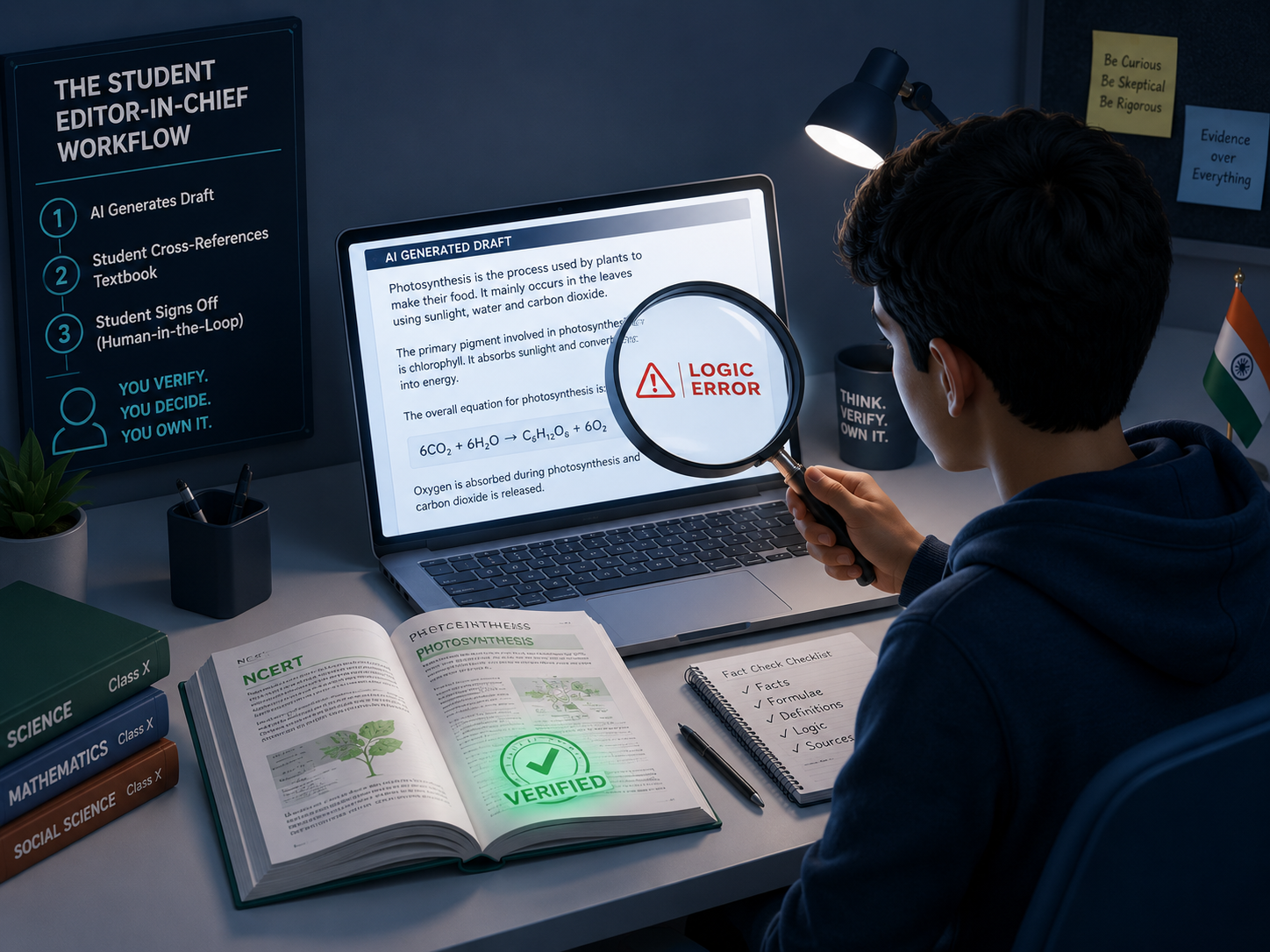
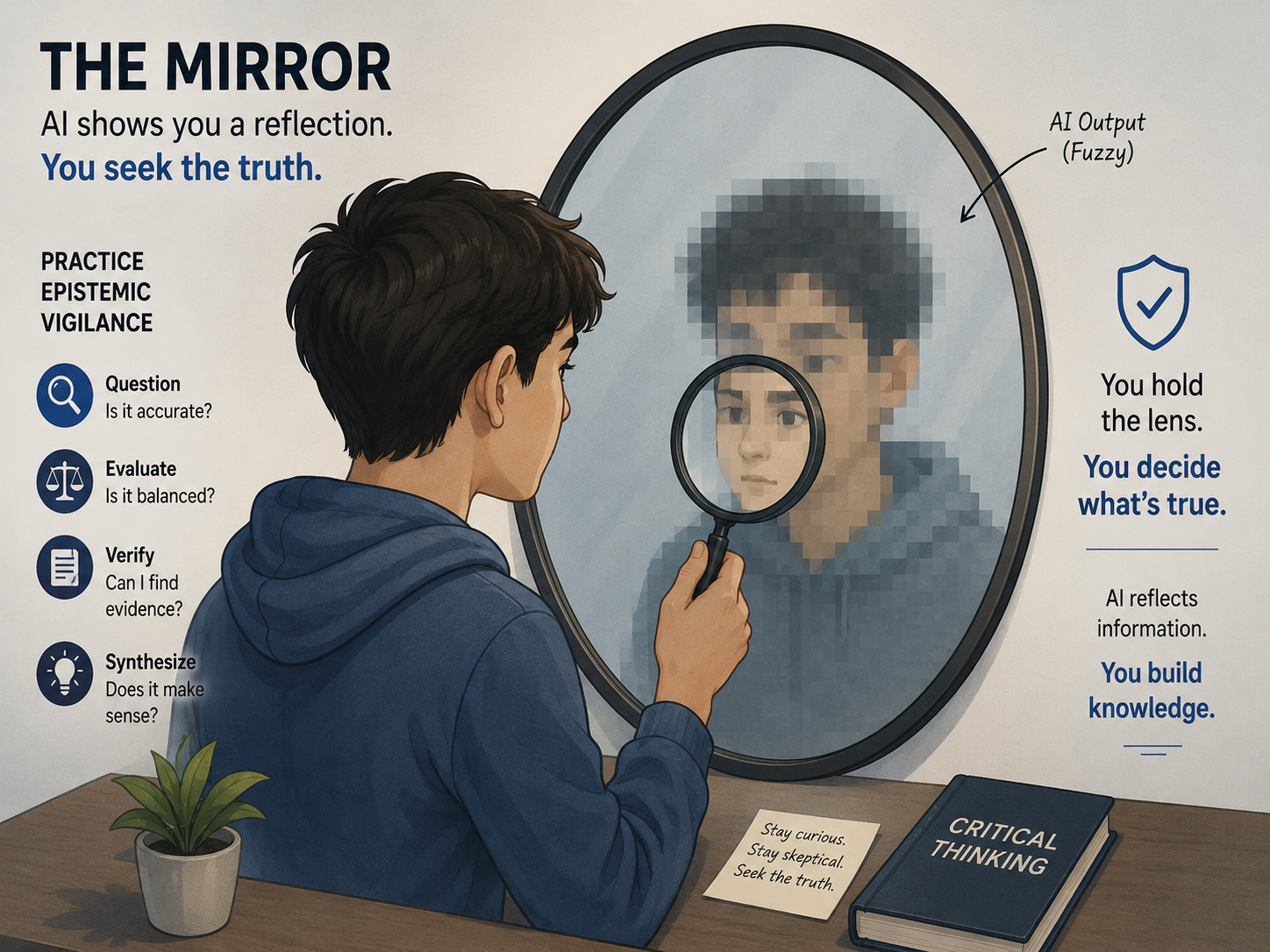
In our first two entries, we discussed the Search Engine Fallacy and the need for Epistemic Vigilance. Today, we address the “elephant...
Read More →In our previous discussion, we uncovered the “Search Engine Fallacy“—the dangerous tendency for 72% of students to treat AI as a flawless...
Read More →The current educational landscape in India is undergoing a structural transformation that most families are not yet prepared for. As we head...
Read More →We begin with a short call to understand your child, their current AI exposure, and the best batch timing.